


20 Nov How to Clean Carpet Like a Pro Without Expensive Tools
Want to learn how to clean carpet like a pro without breaking the bank? Discover simple, cost-effective methods that can refresh your carpets effortlessly and save you money on pricey equipment. Ready to transform your cleaning routine with easy, expert tips? Carpet often serves as the foundation of a comfortable, beautiful home—but over time, dirt, stains, and allergens can take a toll. The good news? With the right approach, you can deep clean your carpet like a professional using only household supplies. This guide reveals step-by-step strategies that make achieving fresh, spotless floors both easy and affordable. Whether you’re dealing with heavy traffic areas, pet stains, or just want better air quality at home, these pro-level DIY tips put pristine, inviting carpets within reach for everyone.
What You’ll Learn About How to Clean Carpet Like a Pro
- Discover the step-by-step process to clean carpet like a pro with household supplies
- Understand the differences between DIY and professional carpet cleaning
- Learn about affordable cleaning solutions and tools
- See expert-recommended tips for deep clean results on carpets
- Avoid common mistakes and prolong the life of your carpet
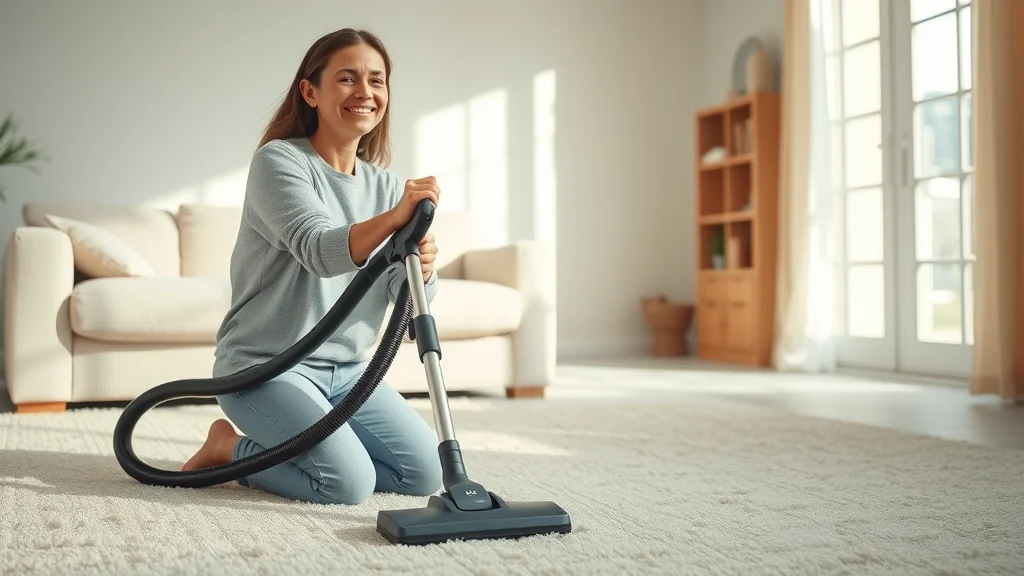
Why Clean Carpet Like a Pro Matters for a Healthier Home
- The importance of carpet as an air filter in your home: Carpets do more than add visual warmth—they also act as vast filters, trapping airborne dust, dirt, pet dander, and pollutants. Every step or movement on your carpet releases debris back into your indoor air if not cleaned regularly. Maintaining your carpets doesn’t just improve aesthetics; it makes your home healthier for everyone, especially allergy sufferers.
- Impact of dirt, pet hair, and allergens on carpet cleanliness and health: Each unremoved dust particle or pet hair strand can sink deep into carpet fibers. Over weeks and months, these build up—potentially harboring bacteria and unwanted odors. The presence of allergens can aggravate respiratory issues, highlight stains, and trap unwanted moisture. Clean carpet like a pro and you not only achieve a fresh look but may also notice fewer sneezing fits and less dust on your surfaces.
“Your carpet acts as the biggest air filter in your home, trapping dust, pet dander, and pollutants—regular maintenance is essential.”
Essential Supplies to Clean Carpet Like a Pro (No Professional Equipment Needed)
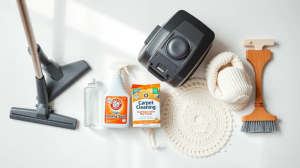
- Must-have supplies: For a thorough carpet deep clean, gather a quality vacuum (preferably with HEPA filtration), dish soap, baking soda, a pump-up sprayer (1–2 gallon), scrub brush or carpet rake, clean microfiber towels, and buckets of warm or hot water. These inexpensive supplies outshine the need for professional cleaning machines for most routine jobs.
- Affordable cleaning solutions: Look for concentrated carpet cleaning solutions like Ultraack Traffic Clean, which can be diluted to make up to 40 gallons of cleaner. Many DIYers find this product rivals professional solutions and leaves no sticky residue in carpet fibers.
- Tips for maximizing household items: Use baking soda for natural deodorizing and dish soap for gentle spot cleaning. White vinegar can break down stains and lift odors, offering a chemical-free alternative. Household spray bottles and pump sprayers ensure even, effective product coverage.
| Professional Supplies | DIY Alternatives | Average Cost |
|---|---|---|
| Commercial Carpet Cleaner Machine | Household Vacuum + Pump-Up Sprayer | $0 (if you own these) |
| Pro Carpet Cleaning Solution | Ultraack Traffic Clean, Dish Soap, Baking Soda, Vinegar | $5–$45 |
| Agitation Tools (Rotary Brush, Power Rake) | Handheld Brush, Carpet Rake, Microfiber Cloths | $7–$20 |
| Commercial Wet Extractor | Rent a Rug Doctor, Use a Shop Vac | $0–$35 (if renting or using home vac) |
Step 1: Deep Clean Carpet by Thorough Vacuuming
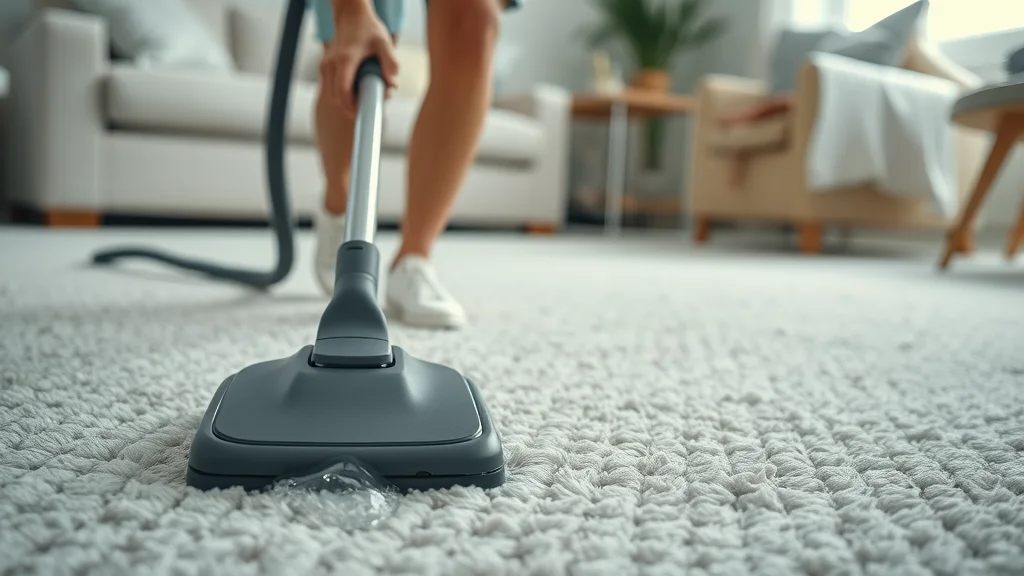
- Vacuuming—the critical first step: Before wet cleaning, always start with a slow, meticulous vacuuming. This is foundational: your carpet acts as a massive air filter, trapping pet hair, soil, dust, and whatever else settles. Vacuuming removes this dry debris, so subsequent wet cleaning can focus on deep, set-in grime and maximize stain removal.
- How to properly vacuum: Start in high-traffic areas—hallways, living rooms, and any spot with visible carpet stains. Go over each section in overlapping passes, moving slowly, especially where dirt is most evident. Use crevice attachments for baseboards and corners. For best results, repeat vacuuming twice, alternating direction each pass to lift debris from all sides of the carpet fibers.
- Maximizing dirt and pet hair removal: If you have pets, consider a vacuum with anti-tangle or pet hair features. Clean or replace filters regularly and empty bins after each use. For embedded pet hair or tough dirt, lightly mist water (not soaking) onto the problem area, rake with a rubber brush, then vacuum thoroughly. This technique can capture lingering dirt that even pro carpet cleaners address on every job.
Watch to see the best vacuum patterns and tips for removing hidden dirt and pet hair before deep cleaning your carpet.
Step 2: Pre-Treat Stains and Trouble Spots Like a Pro
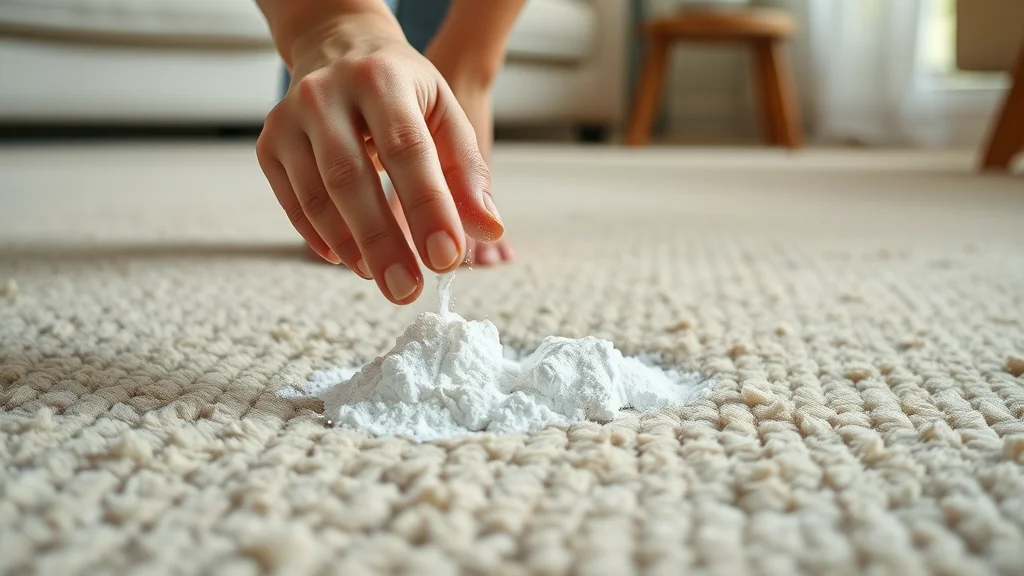
- Baking soda and dish soap for stubborn stains: Sprinkle baking soda liberally over spills or old carpet stains. For organic or greasy spots, mix a couple drops of mild dish soap in warm water, apply with a spray bottle, and let it sit for 5–10 minutes. Gently blot, never rub, to prevent pushing stains deeper into carpet fibers.
- Home remedies for spot cleaning: For darker stains (like wine or coffee), combine baking soda and white vinegar, allow the foaming action to lift grime, then dab dry. For pet accidents, hydrogen peroxide diluted with water is effective, but always spot test to avoid bleaching delicate carpets.
- Safe DIY pre-treatments for accidents and spills: Accidents happen—blot spills immediately with a clean towel, avoiding excessive moisture. Apply homemade or store-bought pre-treater, following up with the main cleaning solution after 10–15 minutes for best stain removal. This step is critical for tough stains and high-traffic areas alike.
| Pre-Treatment | Best For | Pros | Cons |
|---|---|---|---|
| Baking Soda + Dish Soap | Grease, Dye stains, Odors | Gentle, safe, affordable, neutralizes odors | May require multiple applications on tough stains |
| White Vinegar + Baking Soda | Dye Stains, Pet accidents | Fizzes to lift stains, kills bacteria | Vinegar odor may linger, spot test for colorfastness |
| Commercial Pre-Treatment | Set-in or old stains | Fast acting, convenient | Can be pricier, may not be eco-friendly |
Step 3: Choosing the Right Cleaning Solution for Clean Carpet Like a Pro
- DIY vs. Store-bought: Homemade cleaning solutions like mild dish soap with hot water can tackle everyday dirt, while baking soda and vinegar target odors and deeper stains. However, concentrated products such as Ultraack Traffic Clean deliver professional results for high-traffic areas and deeply soiled carpets—without needing specialized equipment.
- How to mix Ultraack: Follow label instructions—just a few ounces per gallon of hot water in your pump-up sprayer work wonders. This solution can cover multiple rooms and doesn’t leave a sticky residue, a must for keeping carpet fibers clean over time.
- Natural vs. chemical alternatives: While pro-grade solutions are unbeatable for set-in dirt, natural options like soap and vinegar remain effective and gentle. Choose according to your needs, spot test sensitive areas, and consider your household’s allergy or eco-friendly preferences.
Quote: “Using a pump-up sprayer to evenly apply cleaning solution is the secret weapon of carpet pros.”
Step 4: Deep Cleaning Method – Applying and Agitating Cleaning Solution
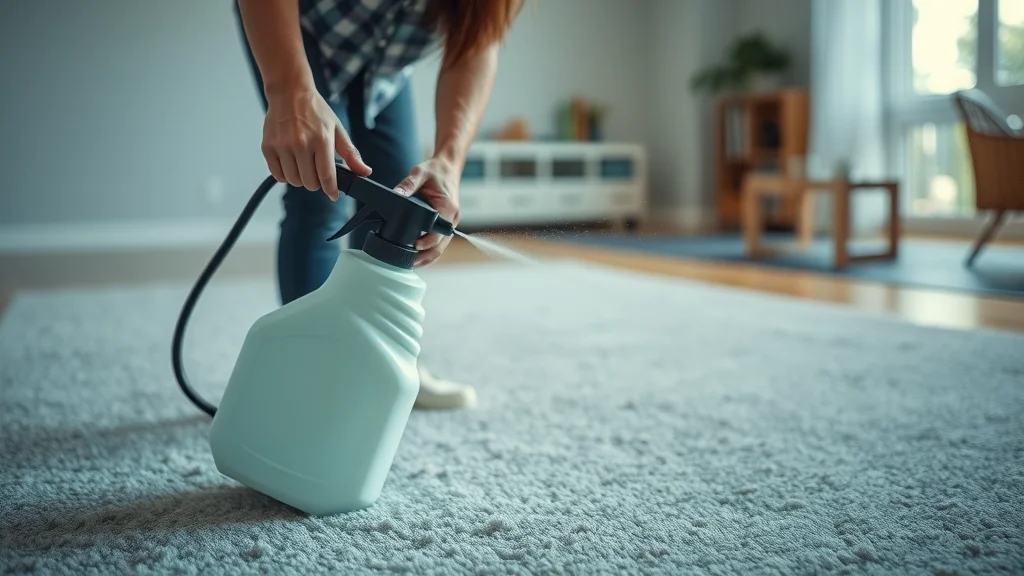
- Uniform application: Use a pump-up sprayer to evenly coat your carpet with the cleaning solution, holding the nozzle about a foot or two above carpet fibers. The even distribution ensures every fiber is reached, breaking down stubborn grime and heavy soil more effectively than pouring or spot treats alone.
- Allow proper dwell time: After spraying, let the solution sit for 5–10 minutes. This dwell time enables the cleaning agents to loosen soil and stains thoroughly, a crucial step for a truly deep clean—mimicking the methods of professional carpet cleaners for maximum impact.
- Agitation methods: Use a stiff-bristled brush, carpet rake, or even an old (clean) broom to lightly agitate the solution into carpet fibers. Agitation helps dissolve dirt lodged inside the tuft, encourages uniform shampoo distribution, and lifts fibers for a plusher final result.
See the best agitation techniques and tips to maximize your chosen cleaning method for professional-level clean carpets.
Step 5: Rinsing and Extracting Like a Pro—No Residue Left Behind
- Water-only rinsing: After cleaning, always rinse with plain warm water—never add extra soap. Whether using a carpet cleaner rental like Rug Doctor, a small wet vacuum, or just towels, water alone flushes out dirt and any cleaning solution left in carpet fibers, avoiding residue that attracts future soil.
- Slow extraction techniques: Move the extraction nozzle or wet vac slowly across the carpet, overlapping each path. This slow pace is the secret to sucking up maximum moisture and grime, resulting in a cleaner, drier carpet.
- Going over tough spots: If an area looks dingy or has visible stains, don’t re-saturate with too much water. Instead, retreat the stain with more solution, let it dwell, then rinse and extract again. It’s better to repeat this process than risk over-wetting, which makes drying difficult and can damage pads or subfloors.
Step 6: Quick-Dry Techniques for Faster Carpet Use
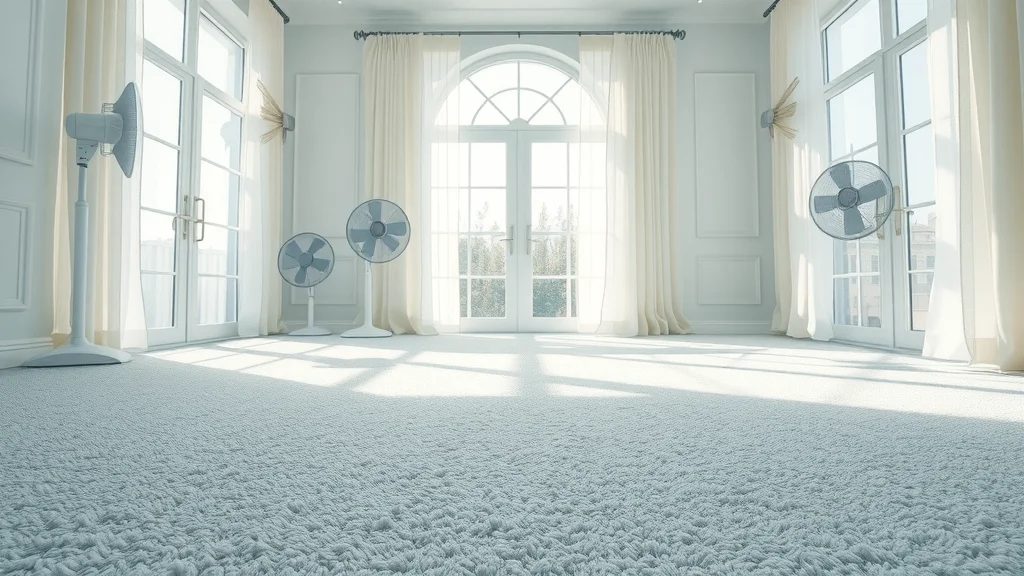
- Best drying practices: Immediately after cleaning carpets, maximize air flow. Open windows if weather allows, turn on ceiling or box fans, and elevate furniture with blocks to keep them off damp carpet. Quick drying not only prevents mold and mildew, but also keeps stains from wicking back to the surface.
- Temperature and grooming: Keep your home at about 70°F for optimal evaporation. Use a carpet rake or groomer to lift and separate fibers—this increases surface area and accelerates drying, while also giving a luxe, professional finish that every homeowner loves.
- Air quality considerations: Maintain good indoor air quality during drying by changing HVAC filters regularly and boosting ventilation. Some professional carpet cleaners even run HEPA air purifiers during the drying process for allergen-sensitive homes.
“Grooming will not only speed up drying but leaves a professional finish every homeowner loves.”
Tips to Clean Carpet Like a Pro in High Traffic Areas
- Targeted deep cleaning: For traffic areas—those well-trodden zones in hallways, entryways, and living spaces—focus on regular vacuuming, frequent pre-treatments with baking soda or Ultraack, and more frequent deep cleaning. By addressing these areas weekly, you prevent dirt from grinding into carpet fibers and prolong the life of your carpet.
- Stain and wear prevention: Place rugs or runners over key traffic areas and use furniture coasters to minimize wear. Promptly blot spills, avoid harsh brush agitation, and rotate rugs or mats regularly. With these proactive steps, keeping clean carpets in the busiest spots becomes easy and routine.
How to Clean Carpets at Home Versus Professional Cleaning Service
- Cost breakdown—DIY vs. professionals: At-home cleaning often requires only a few affordable supplies—a $40–$45 concentrate like Ultraack Traffic Clean can clean entire homes for under $1 per room when diluted, compared to the industry-standard service fee of $150–$350 per visit. Renting a carpet cleaner for a day costs around $30–$35, while supplies (baking soda, dish soap, spray bottles) are just a few dollars.
- When to DIY vs. hire a pro: Routine maintenance and most carpet stains can be handled at home—but for severe water damage, persistent odor, or wall-to-wall set-in stains, a professional cleaning machine or steam cleaning truck-mount still offers the deepest clean. Choose professional cleaning for annual refreshes or after emergencies, while using DIY solutions for regular upkeep.
| Cleaning Type | Average Cost Per Room | DIY Time Investment |
|---|---|---|
| DIY (Supplies + Rental) | $10–$25 | 2–4 hours |
| Professional Service | $50–$100 | Service Crew Handles All |
| Annual Professional Deep Clean | $150–$350 | 3–5 rooms in one session |
Essential List of Do’s and Don’ts to Clean Carpet Like a Pro
- Do: Always vacuum before wet cleaning
- Do: Spot-test all solutions on discreet areas first
- Do: Use minimal water to prevent over-saturation
- Do: Blot, never rub, when cleaning carpet stains
- Do: Groom carpet fibers after cleaning for faster drying and a fresh finish
- Don’t: Use colored towels or sponges that may transfer dyes
- Don’t: Skip the extraction rinse step—leftover soap attracts dirt
- Don’t: Use harsh chemicals on sensitive or wool carpets
- Don’t: Over-wet carpets; this can cause mold or mildew
- Don’t: Ignore regular vacuuming—maintenance boosts all cleaning results
People Also Ask: How to Clean Carpet Like a Pro
What is the best way to professionally clean your carpet?
- Answer: Combine slow, thorough vacuuming with spot pretreatment using baking soda or dish soap, apply a diluted cleaning solution with a sprayer, agitate gently, extract completely with plain water, and dry quickly with fans and open windows for a flawless, professional result.
What do professionals use to clean carpet?
- Answer: Pros use high-powered vacuums, advanced pre-treatments, commercial cleaning solutions, steam cleaning equipment or carpet cleaners, and fiber-grooming rakes for optimal finish and fast drying.
How much does it cost to have a 9×12 rug cleaned?
- Answer: Professional cleaners typically charge between $100 and $250 for a standard 9×12 rug. With DIY, costs drop to under $50 using carpet cleaning rental machines and affordable solutions.
How can I deep clean my carpet myself?
- Answer: Start with effective vacuuming, pretreat stains with baking soda, dish soap, or vinegar, use a pump-up sprayer to apply cleaning solution, agitate, then extract with water-only rinse. Finish with fast drying for best results.
Expert FAQs on How to Clean Carpet Like a Pro
- How often should I deep clean my carpet at home? Every 6–12 months is ideal for most households, or more frequently if you have pets, young children, or heavy traffic areas.
- Is steam cleaning or shampooing better for longevity? Steam cleaning (hot water extraction) is typically superior for removing embedded dirt and allergens, preserving carpet fibers, and extending carpet life.
- Can I mix my own safe cleaning solution with household items? Absolutely! Mild dish soap, baking soda, and vinegar are safe DIY options for routine spot and deep cleaning. Always test on a hidden area before full use.
- Does carpet cleaning remove allergens and pet odors effectively? Yes—proper deep cleaning, especially when combined with good vacuuming and extraction, can significantly reduce allergens, dust mites, and common pet odors trapped within carpet fibers.
Watch this narrated demonstration for every key step—vacuuming, stain treatment, solution application and agitation, extraction, and rapid drying—to master deep cleaning carpets at home with pro-level results!
Key Takeaways for Clean Carpet Like a Pro Without Breaking the Bank
- Vacuum, pre-treat, choose the right solution, apply and rinse correctly, and dry fast—these are the pillars of how to clean carpet like a pro.
- DIY methods can easily match professional carpet cleaning results at a fraction of the cost with proper approach and technique.
- Routine cleaning extends your carpet’s lifespan, promotes healthier air, and keeps your home feeling fresh and inviting.
Ready to Clean Carpet Like a Pro? Start Your Deep Clean Today and Enjoy Fresher Floors
With the steps above, you can confidently clean carpet like a pro—no expensive tools needed. Ready for a dramatic improvement? Gather your supplies, roll up your sleeves, and experience truly fresh, flawless carpets for less!
Sorry, the comment form is closed at this time.